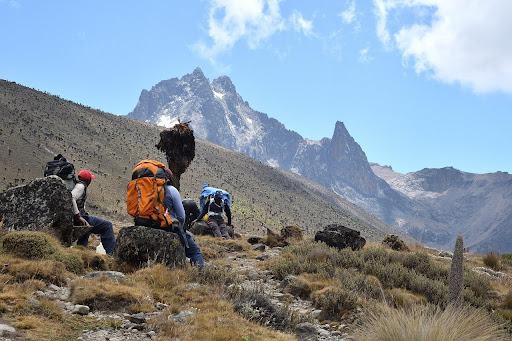
Your playlists are on repeat, your weekends feel shorter than ever, and the closest thing you’ve climbed lately is a staircase when the elevator broke. Time to switch it up. Kenya’s mountains are dramatic and impossible to ignore once they’ve caught your attention. Here, trails weave through bamboo forests, volcanic craters hide turquoise lakes, and jagged peaks dare you to touch the sky. It’s not just hiking; it’s hitting pause on the noise and letting altitude reset everything. Ready to trade your to-do list for a summit view? The mountains are waiting.
1. Mt. Elgon
Mount Elgon doesn’t play by the same rules as the flashy peaks that hog the limelight. Rising to 4,321 meters, this extinct volcano sprawls across the Kenya–Uganda border like a giant taking up all the space it pleases. Its collapsed caldera is among the largest in the world, and the trails cut through bamboo forests, misty waterfalls, and caves where elephants sneak in to lick salt from the walls. The magic, though, is how immersive it feels: multi-day treks let you pitch your tent at designated campsites, swap stories under skies scattered with impossible stars, and wake up to the kind of silence city life can’t even imagine.
2. Mt. Longonot
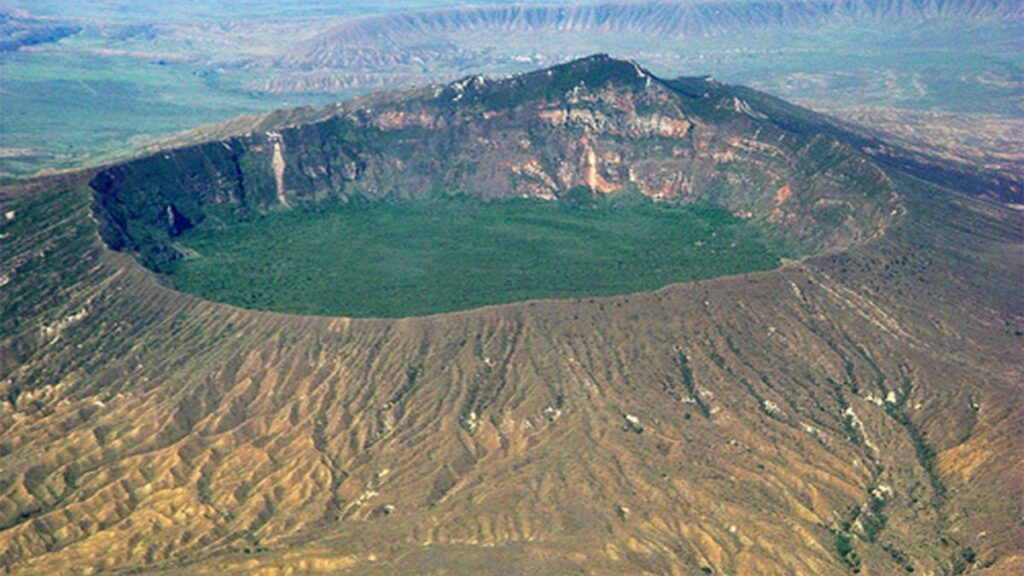
Mt. Longonot is proof that adventure doesn’t always need weeks of training or altitude headaches. Just 60 kilometers from Nairobi, this dormant volcano shoots up dramatically from the Rift Valley floor, daring you to conquer its 2,776-meter summit. The climb is steep, dusty, and guaranteed to make your calves complain, but the payoff is outrageous: a yawning crater rim carpeted with green, so wide it feels like nature built a secret stadium. Hikers circle the rim for panoramic views of Lake Naivasha shimmering below, and if you’re lucky, you’ll spot giraffes or buffalo wandering the lower slopes on your way down.
3. Aberdare Ranges
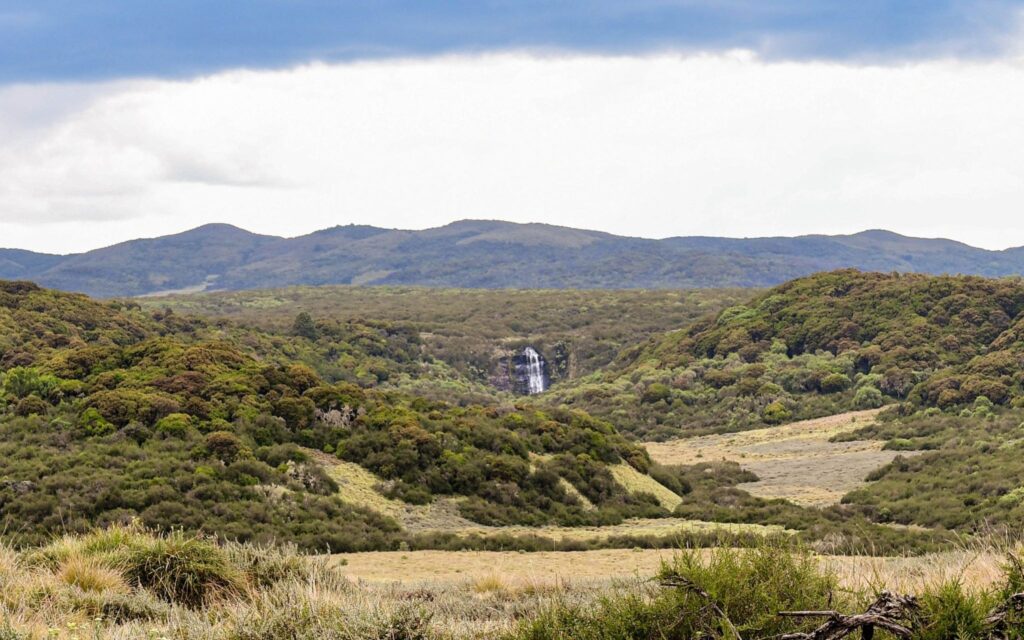
The Aberdare Ranges are where wild and refined meet in the most unexpected way. These forested peaks, climbing to 3,999 meters, are cloaked in bamboo, waterfalls, and mist that makes everything feel a touch mysterious. Hikers can spend their days tracing trails that tumble past rivers and elephant paths, or push higher to wind-battered moorlands where the air tastes crisp and clean. But here’s the twist: after muddy boots and mountain climbs, you can trade your gear for horseback rides across rolling hills, a round of golf at the Aberdare Country Club, or game drives that end at hidden waterfalls.
4. Menengai Crater
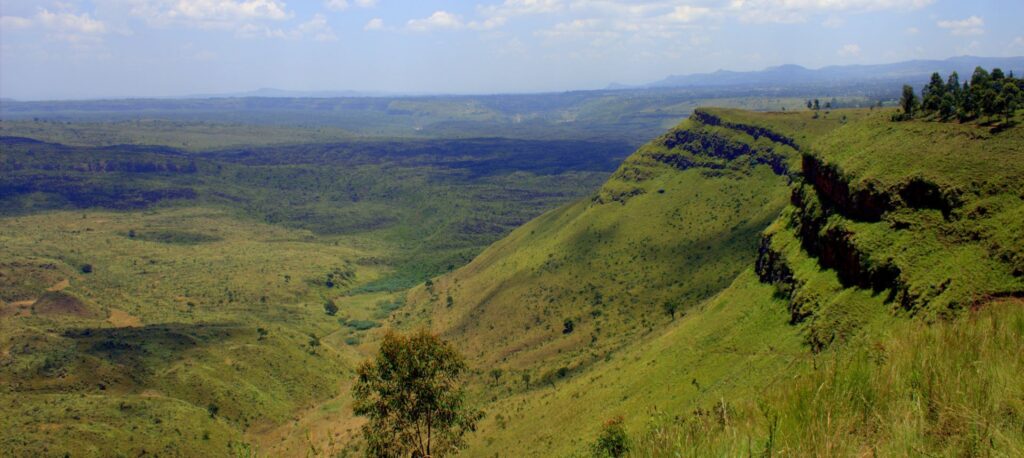
One of the largest calderas in the world, it drops more than 400 meters into a green abyss, its sheer walls looking like the earth cracked open in dramatic fashion. Hiking down feels like sneaking into the planet’s basement, with legends of spirits and caves adding a thrill to the silence. But Menengai isn’t all grit. Base yourself in nearby Nakuru to enhance your adventure. You can go for game drives at Lake Nakuru National Park, rhino spotting, or wandering Nakuru City’s lively streets before retreating back to crater views.
5. Ol Donyo Sabuk
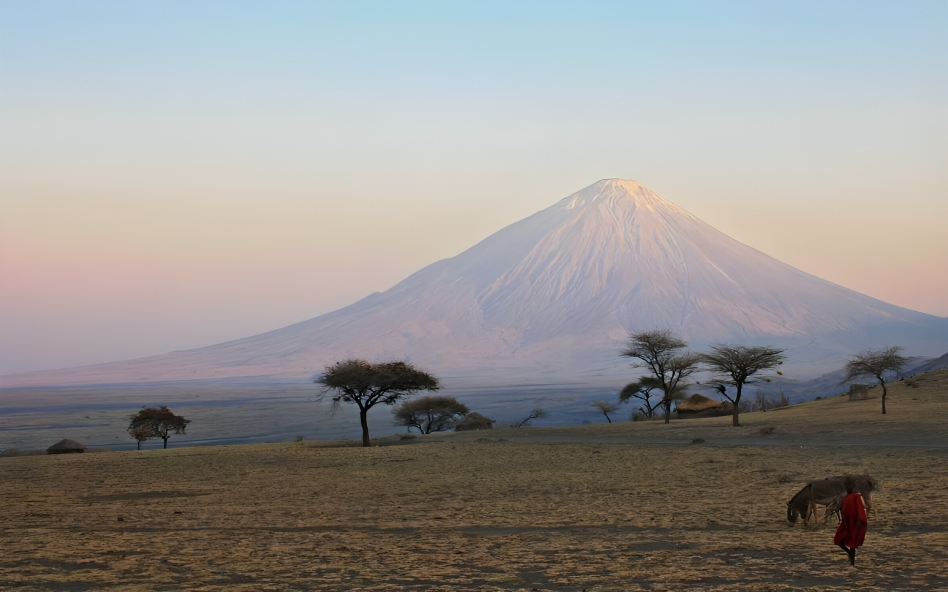
Just an hour from Nairobi, this solitary peak rises to 2,145 meters, wrapped in legends and thick with wildlife. Locals call it Kyanzavi, “the mountain of buffalo,” and sure enough, the herds still roam its slopes, along with playful monkeys and the occasional leopard if you’re sharp-eyed. The trail winds through a tangled forest, humid and alive, before opening up to sweeping views that stretch from Mount Kenya to Kilimanjaro on a clear day. It’s wild but accessible, the kind of climb where a guide turns folklore into part of the adventure.
6. Mount Suswa
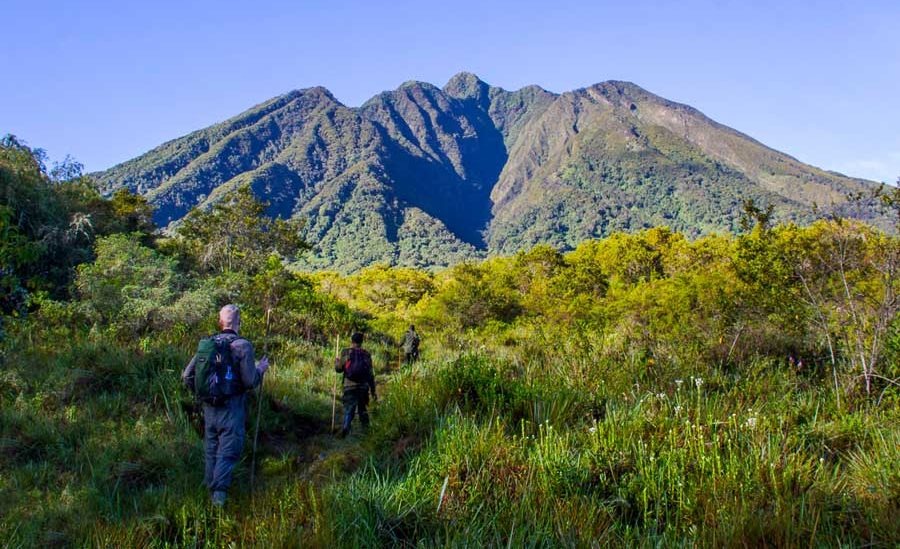
Mount Suswa feels like the mountain built for storytellers. Rising quietly in the Rift Valley, it hides a rare double crater that looks like nature couldn’t decide on just one masterpiece. Hike the rim and you’ll catch views that sweep from the Mau Escarpment to distant volcanoes, but the real mischief is underground. Lava tubes snake beneath the mountain, some so vast they’ve been home to entire colonies of baboons. Imagine a primate Airbnb, but wilder. Camping on Suswa’s slopes is pure magic: fiery sunsets, star-drenched skies, and the occasional hyena call reminding you that this is untamed Kenya.
7. Cherangani Hills
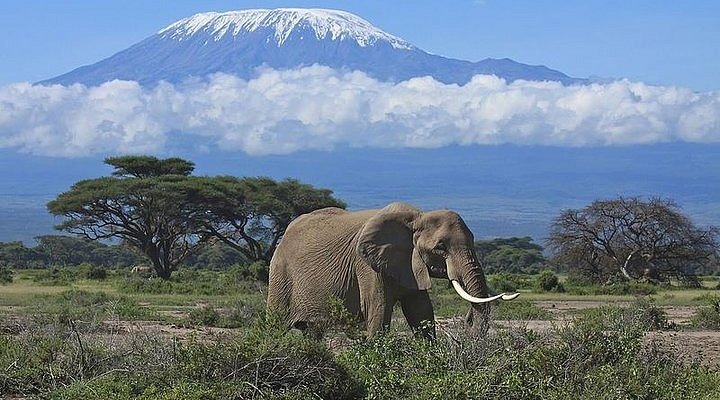
Cherangani Hills is the mountain range you brag about once you’ve ticked off the obvious giants. Tucked along the western wall of the Great Rift Valley, this lesser-known gem rises to 3,539 meters and feels wonderfully untouched. Trails wind through pristine forests and deep gorges where bird calls echo louder than footsteps, offering solitude that’s rare in today’s over-mapped world. Here you’ll also encounter the heritage of the Sengwer people, whose history is deeply tied to the land. It’s remote, raw, and refreshingly off-grid. So yes, you’ll need a guide, but that only makes the adventure richer and safer.
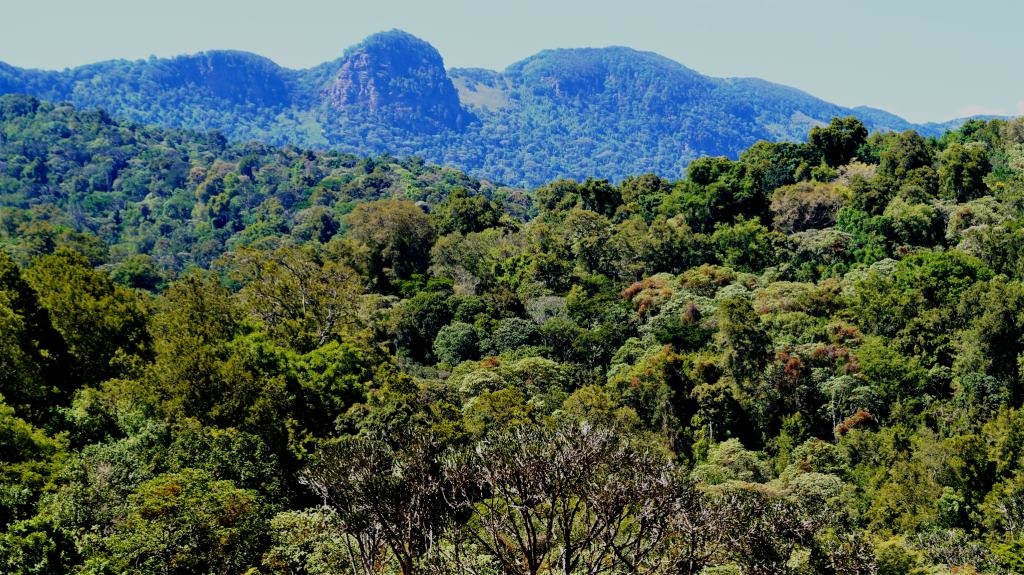
There’s a kind of mischief in hiking mountains. You sign up thinking it’s all sweat and sore calves, but you end up swapping snacks with strangers, laughing at wrong turns, and realizing that silence on a ridgeline can feel louder than a city street. Kenya’s peaks just add extra flavor; craters, caves, waterfalls, and skies that won’t quit. Mountain hikes can surprise you, push you a little, and maybe gift you a few new friends along the way.
Hiking Tips for Kenya
1. Guides and Porters: For any major mountain, a licensed guide is highly recommended and often mandatory. Porters also make the journey much more enjoyable.
2. Acclimatization: Altitude sickness is a real risk on many mountains. Ascend slowly, stay hydrated, and listen to your body.
3. Permits and Fees: Most hikes are within National Parks or Forests, requiring permits purchased from the Kenya Wildlife Service (KWS) or Kenya Forest Service (KFS). Your tour operator usually handles this.
4. Seasons: The best hiking seasons are during the dry periods: January-March and July-October. Avoid the long rains (April-June) and the short rains (November) as trails can be muddy and slippery.
5. Safety: Be aware of wildlife. In areas like the Aberdares, an armed KWS ranger will accompany you. Never hike alone.
6. Pack for All Weather: Conditions can change rapidly. Pack warm layers, rain gear, strong sunscreen, and a good hat.
Ready to swap routine for ridgelines? We’re here to make it easy. From permits to gear, campsites to guides, we can handle every detail so you don’t have to. Your only job is to show up and enjoy the thrill. Contact us to plan your next mountain adventure!!